VMware Version Requirements (Recommended)
- Host OS: Windows 10 or Windows 11 (64-bit)
- RAM: 8GB minimum (16GB recommended — ODIS is memory-intensive)
- Storage: 80–120GB free disk space, SSD strongly recommended for acceptable load times
- CPU: Intel Core i5 (6th gen or newer) or AMD Ryzen 5 — virtualization must be enabled in BIOS (VT-x or AMD-V)
- VMware: VMware Workstation Player 17+ (free)
- USB: USB 2.0 or 3.0 for VAS interface connection
Interface Adapters for ODIS
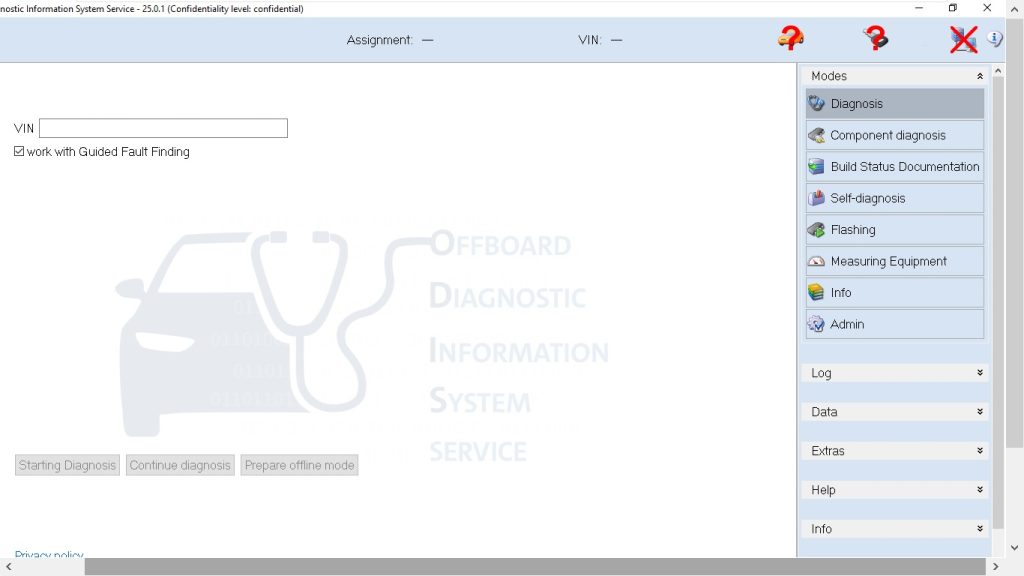
ODIS requires a VAS (Vehicle Analysis System) compatible interface. The main options:
- VAS 5054A — the classic VAG interface, USB or Bluetooth. Most compatible with ODIS Service for older and current VAG vehicles. Widely available, reliable for most ODIS functions including GFF and flashing on vehicles up to approximately 2018.
- VAS 6154 — the newer WiFi-capable VAG interface. Required for some functions on newer VAG vehicles (2018+) that use UDS over DoIP protocol. Better for 2019+ VW MQB-B, MEB electric vehicles.
- ODIS-compatible J2534 adapters — some J2534 PassThru adapters work with ODIS for basic diagnostics but may not support all flashing and GFF functions.
BIOS Virtualization Setup
Before VMware can run, CPU virtualization must be enabled in BIOS. On Intel: enable Intel VT-x. On AMD: enable AMD-V or SVM Mode. Both are usually found in the CPU or Advanced section of your BIOS settings.
Performance Optimization Tips
- Always run the VM from an SSD — ODIS loads slowly from HDD
- Allocate 6GB RAM to the VM in VMware settings
- Allocate 4 CPU cores if your host has 8+ cores
- Disable Windows Defender scanning of the VMware folder
- Keep at least 20% free space on the drive where the VM is stored