Imagine pulling into a shop with a blinking check‑engine light on a 2020 BMW X2, and within minutes you have live data, fault codes, and a clear repair plan on your tablet. That’s the power of Autel’s Accufix platform when paired with the MS909 scanner and PicoScope.
What You Will Learn
- How to read and clear diagnostic trouble codes (DTCs) on a range of makes and models.
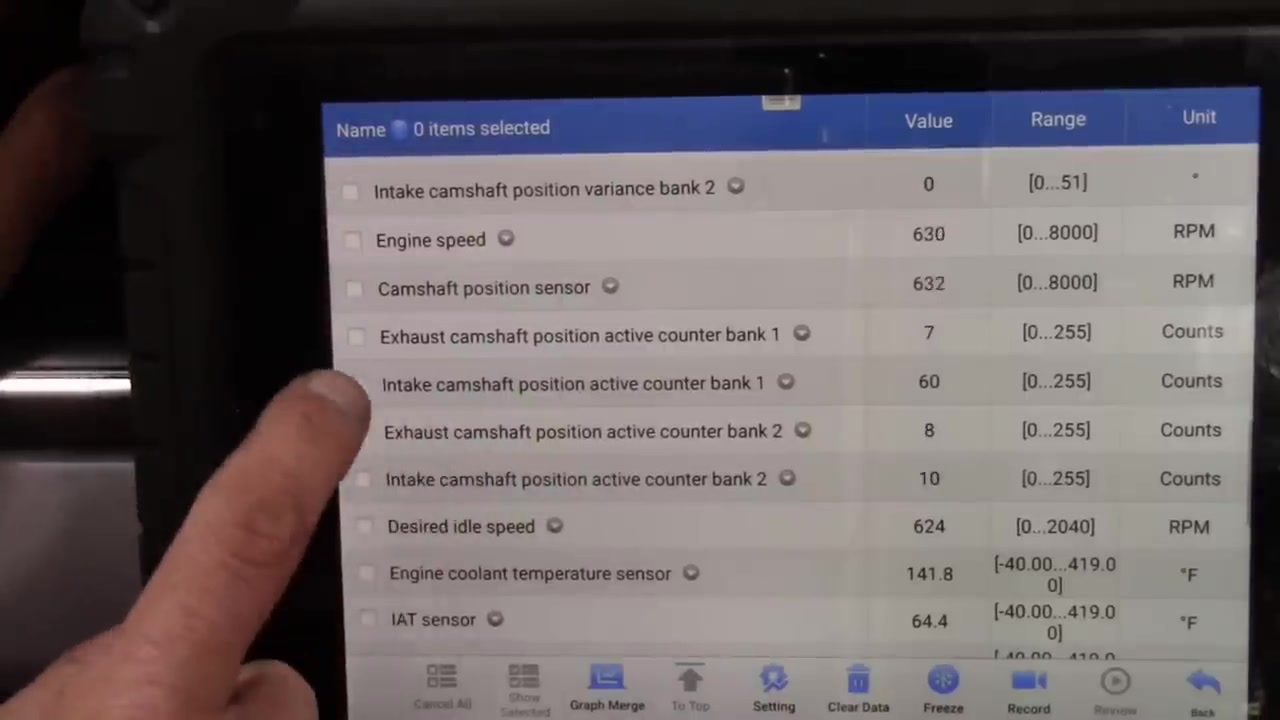
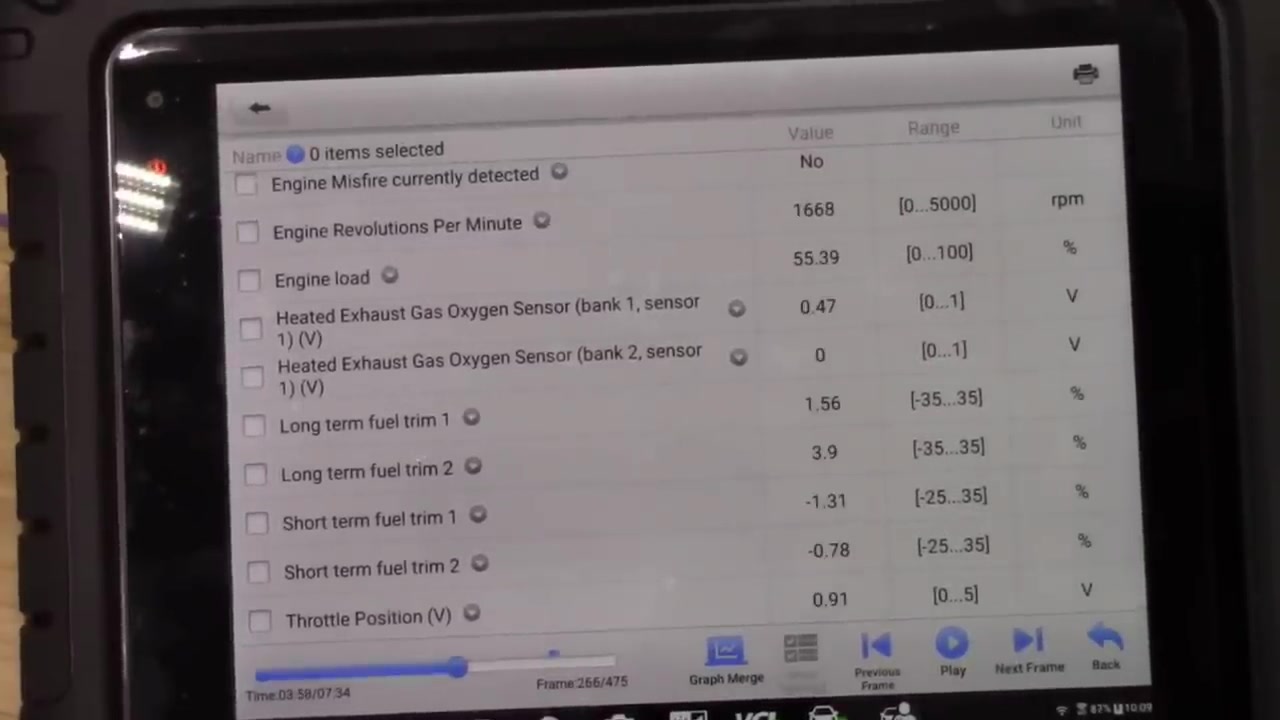
- Setting up and interpreting live data streams for speed, fuel trims, camshaft position, O₂ sensor voltages, misfire counts, and clutch switch status.
- Graphing live data to spot trends and intermittent faults.
- Running special functions such as EVAP leakage tests and Electronic Parking Brake (EPB) workshop mode.
- Performing component tests on ignition coils, O₂ sensor heaters, and wheel speed sensors.
- Accessing wiring diagrams and executing a cylinder‑drop test for accurate misfire diagnosis.
- Practical tips that save time and money on common diagnostic roadblocks.
Step‑By‑Step Walkthrough
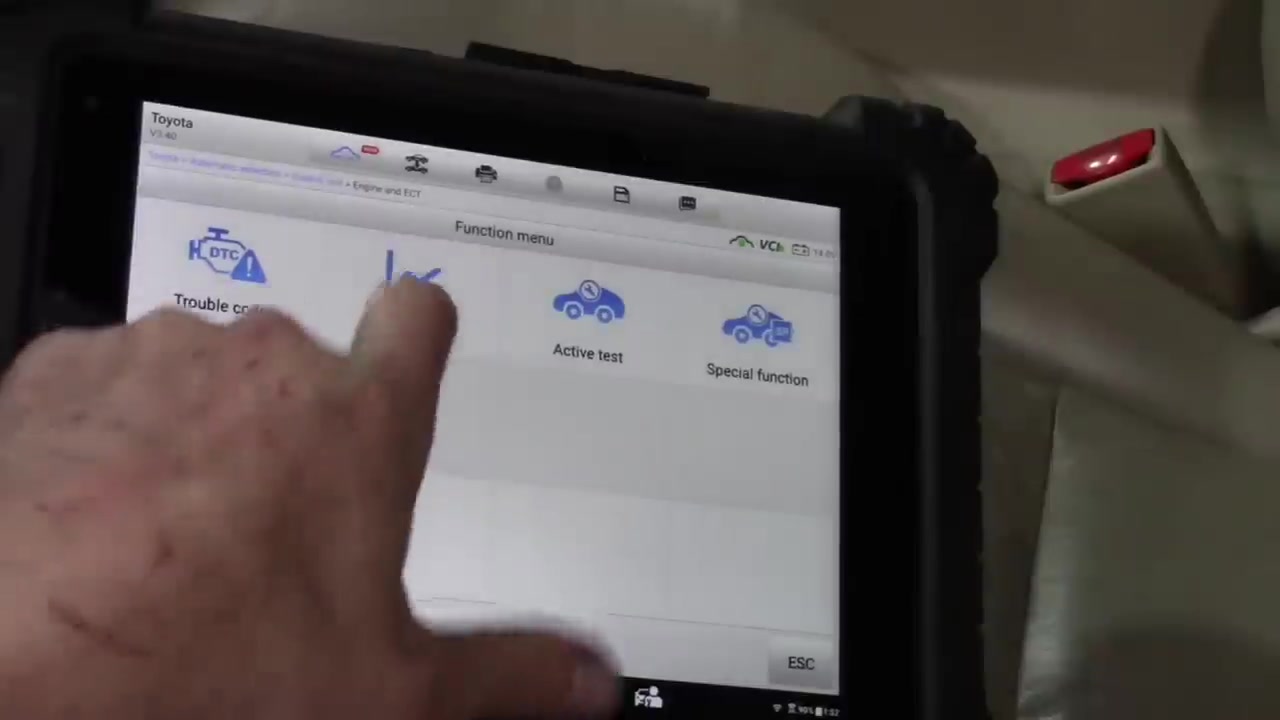
- Connect the MS909 to the vehicle. Plug the OBD‑II cable into the diagnostic port, power up the tool, and select the correct vehicle make, model, and year from the database. The software automatically loads the appropriate ECU map.
- Read existing fault codes. Navigate to Read Codes. The screen will list all stored and pending DTCs. For the 2010 GMC Terrain, you might see P0455 (EVAP large leak) and P0302 (Cylinder 2 misfire).
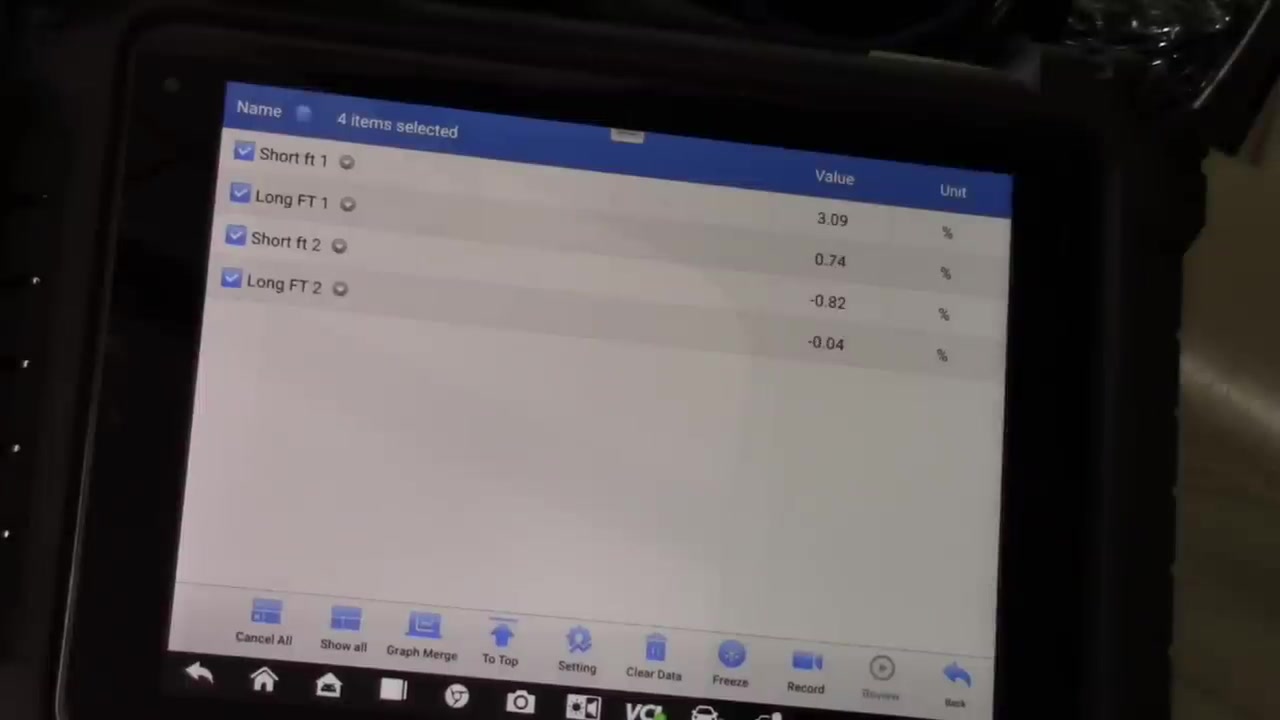
- Clear codes and monitor live data. After clearing, switch to Live Data. Choose parameters such as Vehicle Speed, Short‑Term Fuel Trim (STFT), Long‑Term Fuel Trim (LTFT), Camshaft Position, and O₂ sensor voltages. Press Start Stream to watch real‑time values.
- Graph critical parameters. Click the Graph icon and add up to four channels. Plotting STFT vs. RPM on a 2001 Toyota Land Cruiser V8 quickly reveals if fuel trims rise with engine speed—a sign of MAF or fuel delivery issues.
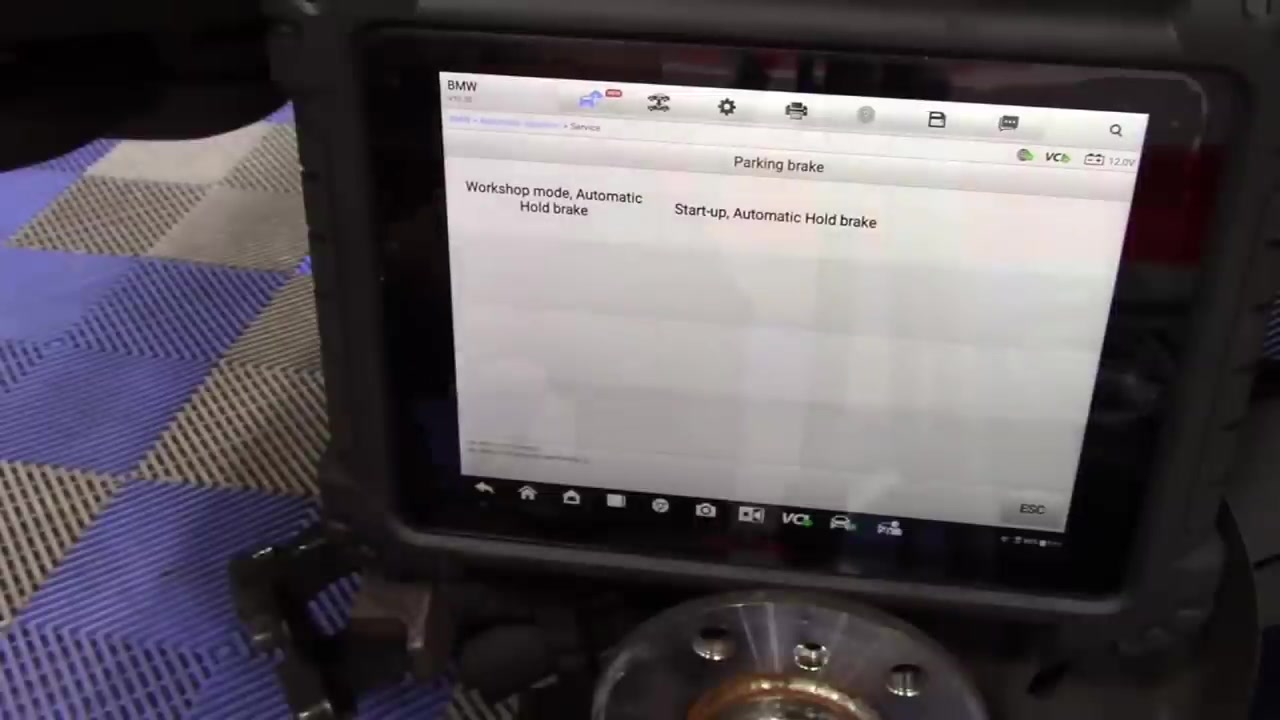
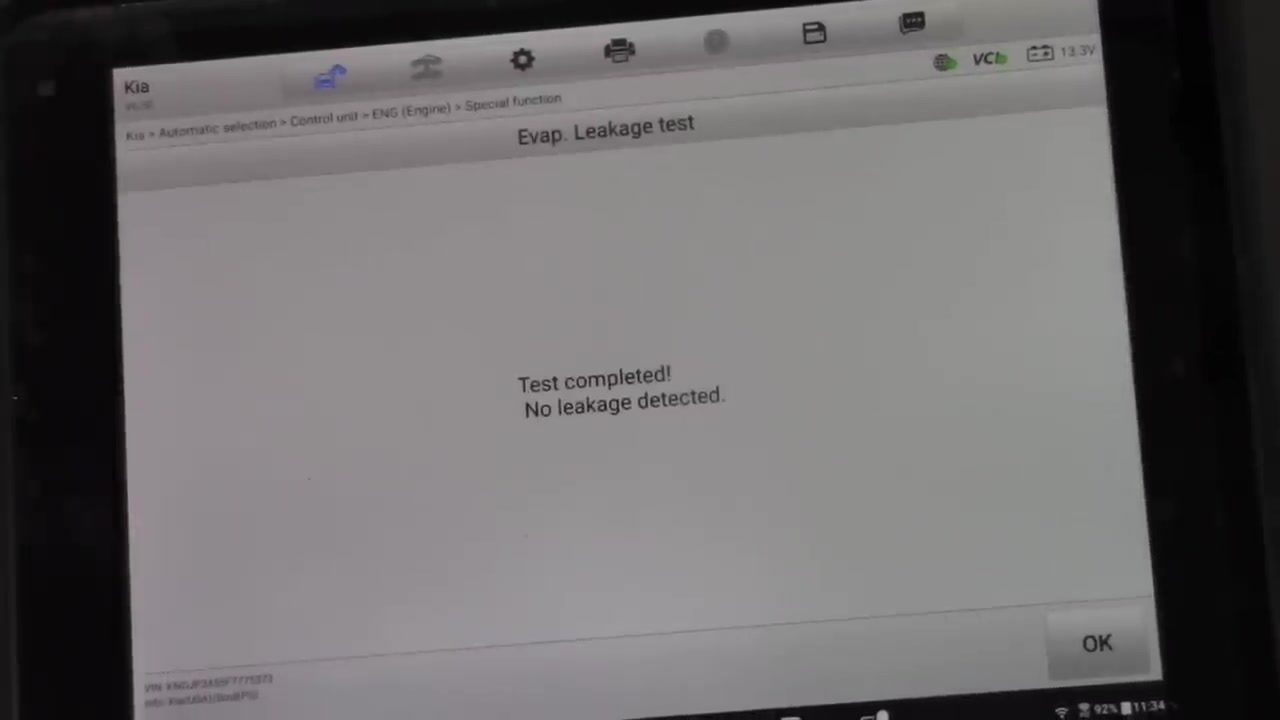
- Run special function tests. Select Special Functions → EVAP Leak Test. Follow the on‑screen prompts to pressurize the system and watch the pressure decay graph. For EPB workshop mode on the 2020 BMW X2, enable Brake Caliper Release to safely retract the pistons before pad replacement.
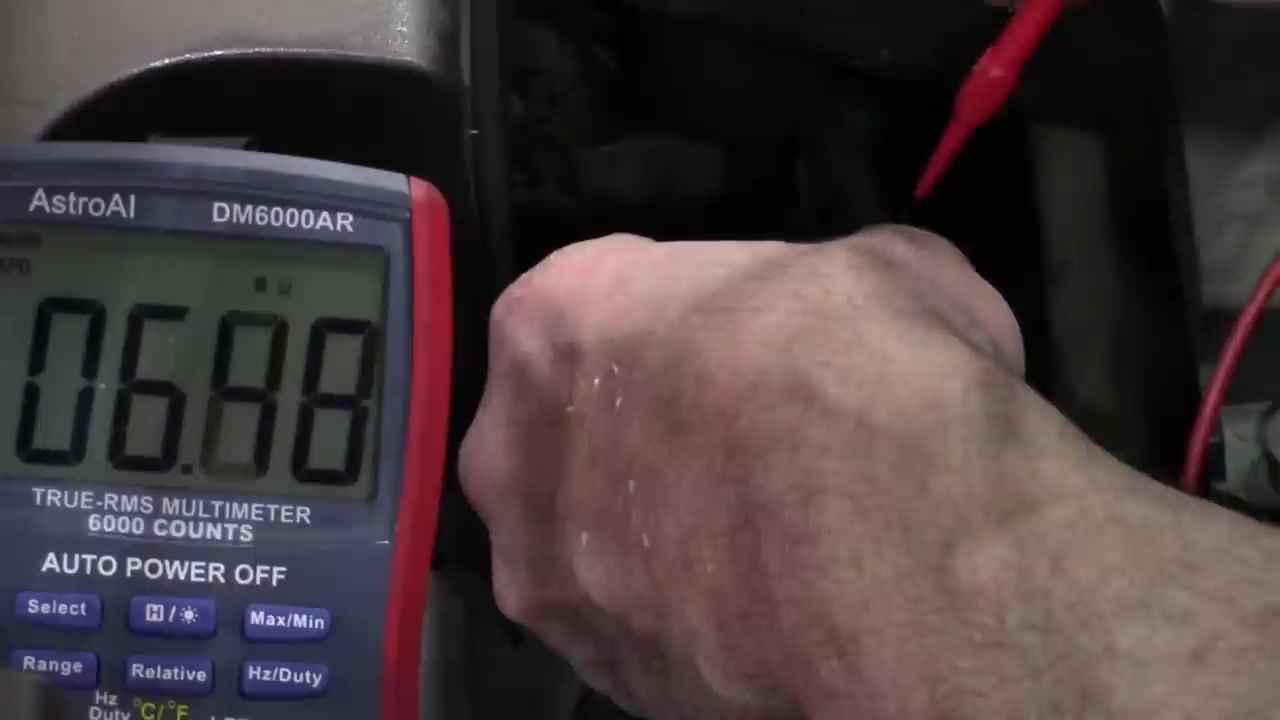
- Component testing. Choose Component Test → Ignition Coil. The tool sends a 12 V pulse and measures coil resistance. Repeat for the O₂ sensor heater circuit; a reading outside 1.5–2.5 Ω indicates a bad heater or wiring fault.
- Access wiring diagrams. Tap the Wiring Diagram button to pull up a schematic for the PCM. Highlight the circuit associated with a DTC (e.g., “O2S Heater Circuit”) to trace wires, connectors, and fuse locations.
- Perform a cylinder‑drop test. With the engine at idle, use the MS909 to deactivate one cylinder at a time. A noticeable drop in RPM confirms the misfiring cylinder, helping you decide between coil replacement or a deeper internal inspection.
- Document and export results. Save the session, export graphs as PNG, and generate a PDF report. This documentation is essential for warranty claims or shop invoicing.
Key Features of Autel MS909, PicoScope
- Extensive vehicle coverage – over 80 % of global makes and models.
- Bi‑directional communication with all major ECU protocols (CAN, K‑Line, J‑1850, etc.).
- Integrated PicoScope for high‑resolution oscilloscope measurements (up to 200 MHz bandwidth).
- Live data graphing with customizable axes, markers, and export options.
- Special functions library – EVAP, EPB, DPF regeneration, and more.
- Component test suite covering sensors, actuators, and circuits.
- Wiring diagram viewer with searchable pins and part numbers.
- Cloud‑based updates ensuring the latest diagnostic coverage.
Compatible Vehicles and ECUs
The tutorial demonstrates the following models, but the MS909 supports many more:
- 2001 Toyota Land Cruiser (V8) – 5.7 L V8, ECU: 2JZ‑FE
- 2010 GMC Terrain – 2.4 L I4, ECU: GM‑MPC
- 2020 BMW X2 – B48 2.0 L Turbo, ECU: BMW DME
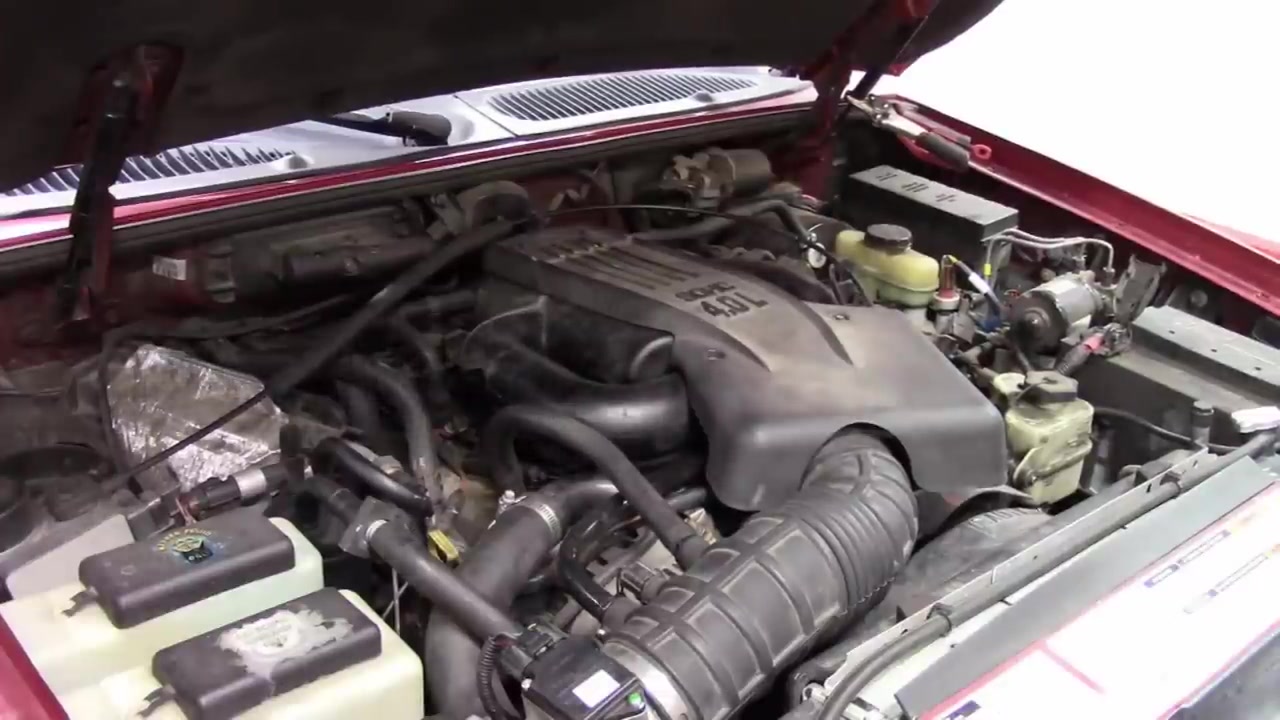
- 2000 Ford Explorer (4.0L) – 4.0 L V6, ECU: EEC‑V
- 2014 Infiniti QX60 – 3.5 L V6, ECU: Nissan Powertrain
- 2003 Honda Accord – 2.4 L I4, ECU: Honda PGM‑FI
- 2015 Kia Soul – 2.0 L I4, ECU: Kia KIA‑ECU
Pro Tips
- If fuel trims increase with engine speed, start by cleaning the Mass Air Flow (MAF) sensor and checking fuel pressure.
- A “circuit” reference in a DTC usually points to an electrical problem—inspect connectors, grounds, and wiring harnesses before replacing parts.
- Electronic Parking Brakes require a scan tool to retract the calipers; never attempt manual release.
- For a large EVAP leak (P0455), always verify the gas cap is seated correctly before performing a leak‑down test.
- Same‑colored wires on an O₂ sensor typically belong to the heater circuit; a failed heater will trigger a code even after clearing.
- False misfires can be caused by ignition coil noise; confirm with a cylinder‑drop test or a spark test.
- When multiple coils fail, examine the PCM’s coil‑control signal for continuity.
- Double‑check that you’re reading the correct switch (clutch safety vs. input) to avoid misdiagnosis.
- Cold‑start issues on engines with plastic intake manifolds and aluminum heads often stem from intake manifold gasket leaks.
What Real Users Are Asking
❓ My 2015 Kia Soul shows P0304 but the coil tests fine. What should I do?
Run a cylinder‑drop test on cylinder 4. If the RPM doesn’t change, the misfire is likely sensor‑related (e.g., a faulty O₂ sensor causing lean conditions). Check fuel trim values; high LTFT may indicate a fuel delivery issue that’s triggering the misfire code.
❓ The EPB workshop mode on my 2020 BMW X2 won’t release the calipers. Any ideas?
Make sure the vehicle’s battery voltage is above 12.5 V and that the brake pedal switch is engaged. Some BMWs require the ignition to be in the “ON” position with the parking brake applied before the tool can command caliper release.
❓ After clearing a P0455 EVAP code on my 2000 Ford Explorer, the code returns instantly.
First, inspect the gas cap for proper torque. If it’s secure, perform the EVAP leak test with the MS909; a rapid pressure drop indicates a large leak. Common culprits are cracked hoses or a faulty purge valve.
Frequently Asked Questions
- Can the MS909 read manufacturer‑specific codes?
- Yes, the tool accesses both generic OBD‑II and manufacturer‑specific codes, providing detailed descriptions and possible causes.
- Do I need a separate cable for the PicoScope?
- No, the MS909 includes built‑in PicoScope probes that connect directly to the tool’s test leads.
- Is the wiring diagram feature offline?
- All diagrams are stored locally after the initial download, allowing access without an internet connection.
- How often should I update the software?
- Autel releases updates monthly. Enable automatic updates to keep vehicle coverage current.
Looking for professional OEM-level diagnostic software for your workshop? firstdiag.com offers dealer-grade tools including ODIS Service 25, JPRO 2025, and Cummins INSITE — all ready to use as pre-installed VMware images.